Waste Disposal Rules Bromley Council Fines and Permits
Posted on 27/08/2026
Waste Disposal Rules Bromley Council Fines and Permits: A Practical Bromley Guide
If you are clearing a home, dealing with garden waste, or arranging a bigger commercial load, the rules around Waste Disposal Rules Bromley Council Fines and Permits can feel fiddly fast. One wrong move and you are not just wasting time; you could end up with a fine, a blocked collection, or a load that no one legally wants to take. To be fair, most people only think about this after the rubbish is already piled up by the gate.
This guide breaks it down in plain English. We will look at what Bromley residents and businesses need to watch for, when permits may be required, how fines usually happen, and what good compliance looks like in day-to-day life. If you are planning a clearance, using a vehicle on public land, or choosing between council and private removal, this will help you make the right call without the guesswork.
For readers comparing services or planning a larger project, it can also help to look at related pages such as waste disposal in Bromley, waste carrier licence and compliance, and the wider services overview before booking anything in.
Expert summary: The safest way to stay on the right side of Bromley waste rules is simple: separate your waste properly, check whether a skip or vehicle permit is needed, use a licensed carrier, and keep evidence of lawful disposal. Most fines happen through avoidable mistakes, not dramatic ones.
There is a bit of a hidden truth here. Waste rules are not just about the council being strict. They are about traceability. Who produced the waste? Who carried it? Where did it go? If you can answer those three questions clearly, you are already ahead of most problems.
Why Waste Disposal Rules Bromley Council Fines and Permits Matters
Waste disposal is one of those things that seems straightforward until you are in the middle of it. A mattress, a broken wardrobe, some hedge cuttings, a few bags of builder's rubble, and suddenly the rules are different for each item. Bromley Council, like other local authorities, has to manage road safety, fly-tipping prevention, recycling, and nuisance issues. That is why permits and fines exist in the first place.
For households, the biggest risk is often accidental non-compliance. You might leave waste on the pavement too long, use the wrong container, or ask someone to take it away without checking whether they are licensed. For businesses, the stakes rise quickly because commercial waste, duty of care, and record-keeping all matter. If you are clearing a shop unit, office, or rental property, a small oversight can become a bigger administrative headache than the actual clearance.
And then there is the public-facing side. Bromley streets are busy, parking is limited in many places, and neighbours notice everything. A skip placed badly, rubbish left near the kerb on the wrong day, or an overloaded van causing debris can turn into complaints before you have even finished the job. Not ideal. Not even close.
Understanding the rules upfront can save money, protect your reputation, and stop a project stalling halfway through. It also helps you compare options properly, whether you are deciding between council collection, private rubbish removal, or a bigger clearance service like waste clearance in Bromley or house clearance.
How Waste Disposal Rules Bromley Council Fines and Permits Works
At a practical level, the process usually comes down to three questions.
- What kind of waste is it? General rubbish, garden waste, electrical items, furniture, soil, plasterboard, and commercial waste can all be treated differently.
- Who is removing it? You, the council, or a private waste carrier each have different responsibilities.
- Where will it be placed during removal? On private land, on the road, or on a pavement can affect whether a permit is needed.
If waste is being stored temporarily on private property, that is usually simpler. If it needs to sit on a public road, that is where permit questions often begin. A skip on the highway, for example, generally needs proper authorisation and correct placement. The same goes for any arrangement that affects traffic, parking, or pedestrian movement.
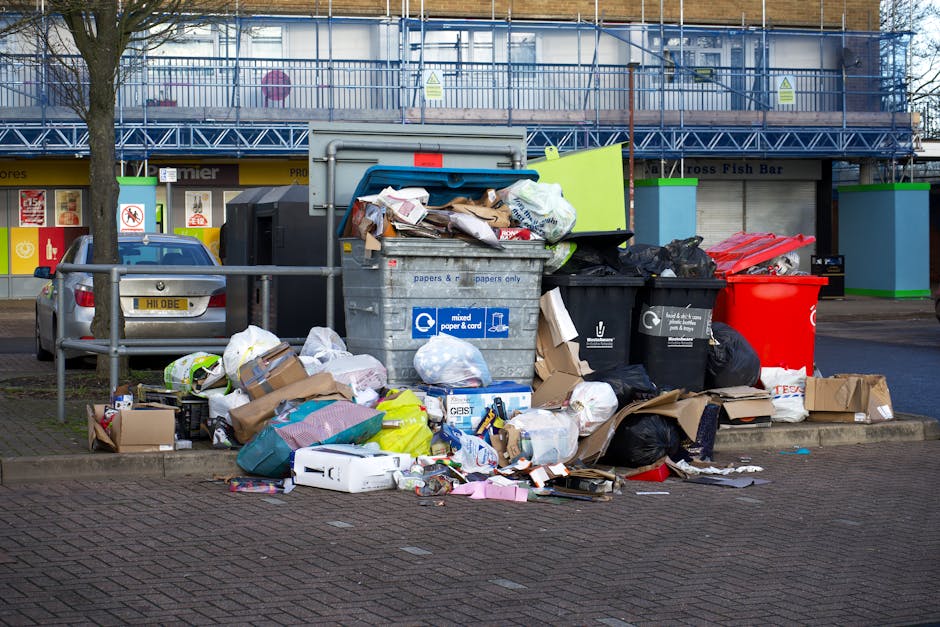
Fines usually appear when the rules are ignored rather than misunderstood. That might mean fly-tipping, dumping waste where it should not be, using an unlicensed collector, or failing to keep enough proof of legal disposal. In everyday terms: the council wants to know that waste was handled safely and did not end up dumped down an alley or behind a wall somewhere. Sensible, really.
If you are arranging a collection, it is worth checking practical details first. A service such as rubbish collection in Bromley can be easier than self-haulage if you do not have the right vehicle, time, or lifting help. For heavy or messy loads, the details matter a lot more than people expect.
Permits, fines, and carrier responsibility in plain English
A permit gives permission to place waste equipment or waste itself in a location that would otherwise be restricted. A fine is the penalty for not following the rules. The carrier is the person or company taking the waste away. If the carrier is not licensed or behaves badly, the paper trail can become a mess for the waste producer too, which is the bit many people miss.
That is why due diligence matters. Ask who is carrying the waste. Ask where it will go. Ask what documentation you will receive. It is a small bit of admin now for a much calmer week later.
Key Benefits and Practical Advantages
Good compliance is not just about avoiding trouble. It makes the whole waste process cleaner, faster, and usually less stressful.
- Less risk of fines: You reduce the chance of penalties from improper disposal, roadside dumping, or nuisance placement.
- Better recycling outcomes: Sorted waste is easier to reuse, recycle, or process correctly.
- Clearer planning: Knowing whether you need a permit helps you organise timing, parking, and access.
- Safer sites: Waste is less likely to obstruct pathways, vehicles, or neighbours.
- Stronger paperwork: Good records make it easier to show that you acted responsibly.
There is also a more subtle benefit: confidence. Once you know the process, you stop second-guessing every bag and branch. That matters when you are already juggling builders, estate agents, tenants, family, or a packed work schedule.
For larger jobs, this confidence is especially useful. A site clearance, office move, or property clean-out can create a lot of moving parts at once. If you are in that position, office clearance in Bromley and white goods and appliance disposal are the kinds of services that often benefit from careful compliance rather than a hurried DIY approach.
Who This Is For and When It Makes Sense
This topic matters to a wide range of people, not just homeowners with a spare shed full of old stuff.
- Homeowners clearing lofts, garages, gardens, or rooms before a move.
- Landlords and letting agents dealing with end-of-tenancy clearances.
- Builders and trades managing rubble, timber, packaging, and renovation waste.
- Businesses handling commercial waste, furniture, or office equipment.
- Residents with bulky items that are awkward to move or not suitable for regular bins.
It makes sense to pay closer attention whenever the waste is bulky, mixed, heavy, contaminated, or likely to sit temporarily on the street. It also makes sense if you are dealing with a property that is being sold, renovated, or let out again soon. Timing gets tight, and that is when mistakes creep in.
For example, a family clearing a property after a long tenancy may be more concerned about speed than paperwork. Fair enough. But if a sofa, broken cabinet, and bagged waste are all left outside while everyone is rushing around, the risk of complaints or enforcement rises. A better option may be house clearance in Bromley or a targeted furniture removal service.
And yes, garden jobs count too. Wet soil, hedge cuttings, and mixed garden debris can be heavier and messier than people expect. If you have ever tried lifting a full sack after rain, you know exactly what I mean.
Step-by-Step Guidance
If you want to stay compliant and avoid fines, follow a simple process. Nothing glamorous here. Just solid basics.
- Identify the waste type. Separate general waste, garden waste, electricals, furniture, and construction material if possible.
- Check where it will be stored. Private land is different from the highway or pavement.
- Decide whether a permit is needed. Any use of public space should trigger a permit check.
- Choose a licensed carrier. Ask for proof, and keep the details with your records.
- Ask how the waste will be processed. Recycling, reuse, transfer, or disposal all have different implications.
- Keep receipts and notes. If a question comes up later, paperwork matters.
- Schedule responsibly. Make sure access, parking, and neighbours are considered.
That sequence sounds basic, but it works. The people who get into trouble often skip straight to step seven. They book the van, leave everything by the kerb, and hope for the best. Hope is not a compliance strategy.
For more complex jobs, it can help to combine planning with the right service type. Builders' debris, for instance, is often better handled through builders waste disposal in Bromley, while mixed commercial loads may fit commercial waste removal more neatly.
If you only need a quick, local uplift and the load is modest, same-day or rapid collection can be useful too. There is a practical difference between urgent and careless. One is fine; the other is where trouble starts.
Expert Tips for Better Results
Here is what tends to make the biggest difference in the real world.
- Separate as much as you can before collection. It saves time and often reduces contamination issues.
- Be honest about the load. Understating the amount or type of waste can cause pricing and compliance problems later.
- Check access early. Narrow drives, permit zones, and blocked roads can all affect collection method.
- Use photographs when needed. A quick snapshot of the waste pile can help avoid disputes about volume or condition.
- Ask about paperwork before you book. Clear communication now is cheaper than arguing later.
One small but useful tip: if the waste includes damp cardboard, soil, or mixed garden material, do not assume it will weigh "roughly the same" as dry waste. It often does not. The difference can be surprisingly large, especially on a wet afternoon when everything smells a bit like compost and old wood. Charming, in its own way.
Another good habit is to think about the neighbour on the other side of the wall. If your collection means noise, temporary obstruction, or debris, a little advance courtesy goes a long way. Not every issue needs to become a complaint.
For storage-heavy or move-out situations, related services like loft clearance, furniture disposal, and waste clearance can help you choose a more precise option rather than overbuying or overcomplicating the job.

Common Mistakes to Avoid
This is where a lot of avoidable fines and headaches come from.
- Leaving waste on public land without checking permissions. Even short-term placement can be an issue.
- Using an unlicensed collector. If something is dumped illegally, you may still be asked questions.
- Mixing waste types carelessly. Some materials need special handling, and contamination can ruin a load.
- Ignoring the timing of collections. Missed slots can leave waste sitting out too long.
- Assuming "someone else will deal with it." Duty of care does not disappear because another person collected the bags.
People also underestimate how fast a tidy pile can become a nuisance. Wind blows lighter items around. Rain soaks packaging. A fox gets involved. Suddenly the neat heap by the fence is not so neat anymore. Slightly annoying, that.
One more common issue is assuming that council rules and private clearance rules are interchangeable. They are not. If you are booking a private service, check what they handle, what proof they provide, and whether the job suits your property type. If in doubt, a service page like furniture removal Bromley can help you understand what type of load is being dealt with.
Tools, Resources and Recommendations
You do not need a huge toolkit to stay compliant, but a few simple things help.
- Camera phone: Useful for documenting the waste before collection.
- Basic sorting bags or crates: Handy for separating reusable, recyclable, and general waste.
- Measuring tape or visual checklist: Helps estimate volume before booking.
- Notes app or folder: Keep booking details, carrier information, and receipts together.
- Access plan: A quick note on parking, entry points, and timing can save a lot of back-and-forth.
For those comparing options, it can be useful to review the company's broader information on pricing and quotes, insurance and safety, and terms and conditions. That kind of reading is not exciting, granted, but it is often where the useful details hide.
If environmental handling matters to you, a reputable provider should also be able to explain sorting, diversion, and recycling practices in a clear way. The recycling and sustainability page is the sort of resource that helps readers think beyond simple disposal and into better waste outcomes.
Law, Compliance, Standards, or Best Practice
Waste disposal in the UK is shaped by general legal duties, local controls, and industry best practice. We should be careful here: exact council procedures can change, so the safest approach is always to confirm current requirements before placing waste on a road or arranging a collection that touches public land.
In practice, the main compliance themes are straightforward:
- Do not fly-tip. Never leave waste where it could be treated as abandoned or dumped.
- Use a licensed carrier. This helps show the waste was handed over responsibly.
- Keep records. Receipts, job notes, and collection details matter.
- Respect highway and pavement restrictions. If a permit is needed, sort that first.
- Handle special waste carefully. Some items need additional attention or separate treatment.
Best practice is really just common sense made consistent. That means planning before lifting, not after. It means checking what will happen to the waste after it leaves your property. It means being cautious when something sounds too cheap or too easy. If the price feels suspiciously low, there is usually a reason.
For landlords, agents, and business owners, compliance is especially important because the risks are not only financial. Delays, complaints, missed handovers, and reputational damage can cost more than the clearance itself. If you are in that position, a structured service like property clearance can be a more reliable route than doing everything in-house.
Options, Methods, or Comparison Table
Different waste scenarios call for different methods. The right option depends on volume, urgency, access, and how regulated the material is.
| Method | Best for | Pros | Watch-outs |
|---|---|---|---|
| Council collection | Routine local disposal, where available | Simple for standard household waste | May have limits on item type, timing, or volume |
| Skip with permit | Larger clearances, building work, bulky waste | Handles substantial loads | May require permit and space planning |
| Private licensed collection | Mixed domestic or commercial loads | Flexible, often faster, less lifting for you | Need to confirm licensing and disposal paperwork |
| Self-haul to a facility | Smaller loads if you have the right vehicle and time | Direct control over transport | Fuel, labour, queues, and proof of disposal all fall to you |
For most people, private collection sits in the sweet spot. It is often less disruptive than self-haul and more flexible than waiting for a routine slot. If the job is urgent, same-day rubbish removal in Bromley may also be worth considering, particularly when access or deadlines are tight.
For small but awkward local jobs, a neighbourhood-based collection can be enough. For instance, a quick clear-out near a busy road may be simpler than you think, especially if you have planned access well and know what is leaving the property.
Case Study or Real-World Example
A typical scenario goes like this. A Bromley homeowner is preparing to sell and wants the garden, garage, and spare room cleared before photos are taken. There are old chairs, several bags of mixed household rubbish, broken shelving, and a few boxes of garden cuttings. The instinct is to put everything outside on the pavement and call the first number that appears online. That is where problems start.
Instead, the better approach is to separate the load, check whether any part of the plan involves public land, and use a licensed carrier that can give clear paperwork. The garden cuttings may be handled differently from furniture. The furniture may need lifting support. The mixed rubbish may need sorting. Suddenly the whole job becomes calmer and more controlled.
In a similar real-world job, we have seen how a careful plan saves a day of faffing around. The team turns up, the route is clear, neighbours are not blocked, and the waste leaves in one go. No drama. No awkward conversation with a council officer. Just a finished job and a relieved owner standing in a much emptier room, hearing the echo a bit for the first time.
If you are thinking in property terms, this is also why waste planning matters before a sale or letting changeover. It supports a cleaner handover and avoids last-minute pressure. Readers interested in the broader local property context may also find real estate transactions in Bromley and whether Bromley is a desirable living area useful for seeing how property presentation affects outcomes.
Practical Checklist
Before you book or move any waste, run through this quick checklist.
- Have I identified the waste type clearly?
- Does anything need special handling, separation, or extra care?
- Will any part of the waste sit on public land?
- Do I need a permit or permission for the container, vehicle, or placement?
- Have I checked the carrier is licensed?
- Do I understand what paperwork or receipt I will get?
- Is access clear for loading and removal?
- Have I warned neighbours if needed?
- Do I know where the waste will go after collection?
- Have I kept notes and photos in case I need them later?
If you can tick off most of those points, you are in a much safer place than someone guessing their way through the job at 7:30 on a wet Tuesday morning.
Conclusion
Waste disposal rules in Bromley are not there to make life difficult. They exist to keep streets safe, stop dumping, support recycling, and make sure waste is traceable from start to finish. Once you understand the basics of fines, permits, and licensed collection, the whole thing becomes much less intimidating.
The best approach is simple: sort the waste, check the placement, use a licensed carrier, and keep records. Whether you are clearing a home, office, garden, or building site, those habits reduce risk and help the job run smoothly. And if the task feels bigger than you expected, that is normal. Honestly, most people discover that halfway through the first load.
Get a free quote today and see how much you can save.
Taking care with waste is one of those small responsibilities that makes a place feel better almost immediately. A cleaner drive, a tidier street, less stress. It all adds up, and it leaves you with a proper sense of having done things the right way.